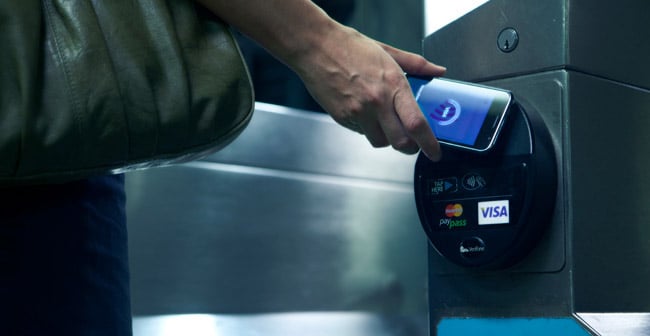
Mobile technology is growing at a rapid pace, so using our smartphones is becoming more important by the day. We already can go everywhere with access to our emails, social networks, and documents — so wallets is the next thing. Being able to leave your wallet home and still be able to pay for things is the ultimate kind of convenience. Unfortunately, most people don’t feel this way.
According to a new survey by law professors at the University of California Berkeley, most Americans are uneasy with the idea that their phones could divulge behavioral and personal information, like phone numbers and in-store browsing habits. This was from 1,200 people surveyed with questions given through the phone.
The survey revealed many things that most of us already knew concerning privacy fears. For example, when the question was asked whether consumers would be willing to share “information about you with the stores that you visit, when you are just browsing.” An overwhelming 96 percent said they would “definitely not allow” or “probably not allow” it.
Moreover, to know ones surprise, mobile payment is common in many parts of the world, and slowly gaining acceptance in the United States, particularly with young consumers aged 18 to 44.
The “concern” that people have with mobile payments, is a result of fear mongering at the highest level. The notion or fear of consumers unwittingly giving up valuable information about themselves to merchants that want to sell them things, is just an easy copout. I have news for you, you know those grocery or drug store cards you like to use? Well, they also use your information and buying habits to entice you to purchase things from certain merchants — the process will continue with or without the ability to pay with your handset.
[via NYT]