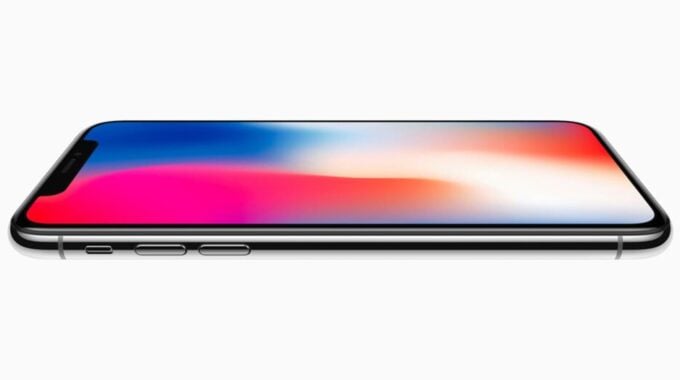
The iPhone X was the phone that changed everything Apple made for the next decade. And now it’s officially obsolete. According to MacRumors, Apple has added the iPhone X and the 2018 15-inch MacBook Pro to its obsolete products list, meaning both devices are done. No more service. No more official support. That’s it.
For anyone who remembers the iPhone X launch in November 2017, this hits differently. That phone was a genuine turning point. It was the first iPhone with an OLED display, the first with Face ID, and the first to ditch the home button entirely. Apple replaced the button with a notch at the top of the screen, which at the time felt bold and a little polarizing. Love it or hate it, every iPhone since has carried that DNA. The notch, the Face ID system, the edge-to-edge screen, it all started here.
The design was also genuinely premium in a way iPhones hadn’t quite felt before. Glass back, stainless steel frame, a device that felt expensive because it was. It launched at $999, which caused real debate at the time. Now that price point is basically the floor for a flagship iPhone.
So why does the obsolete label matter? When Apple classifies a product as obsolete, it stops providing hardware service through Apple and its authorized service providers. If your iPhone X screen cracks or the battery dies, you’re on your own. Third-party repair shops can still help, but Apple’s official support network is closed for business on this one.
This is also a reminder of how the broader smartphone industry treats older hardware. Seven or eight years used to feel like a long run for a phone. Now, with Apple pushing longer software support cycles and repairability becoming a bigger conversation, the gap between “still useful” and “officially dead” feels more significant than ever. The iPhone X can still run apps. It still works. But Apple has drawn the line.
If you’re still rocking an iPhone X in 2025, respect. But it’s probably time to start looking at what’s next.