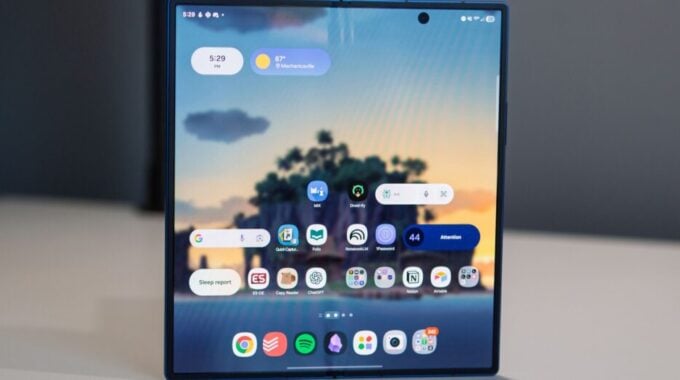
Samsung appears to be working on a rollable smartphone that could expand its screen size on demand, according to newly leaked patent documents. The ‘Galaxy Z Rollable’ concept shows a device with a display that extends horizontally, offering users more screen real estate when needed.
The patent filing suggests Samsung is exploring alternatives to its current foldable phone strategy. Instead of screens that fold in half, this rollable design would let users pull out additional display area from within the device housing.
This isn’t Samsung’s first venture into experimental display technologies. The company has been a leader in flexible OLED screens and has shipped millions of Galaxy Z Fold and Z Flip devices over the past few years. However, rollable phones represent a different approach to solving the same problem: how to fit a large screen into a pocketable device.
The timing of this patent leak is significant as rumors suggest Samsung may also be planning a Galaxy Z Fold Ultra variant for future releases. This indicates the company is exploring multiple form factors as it tries to expand beyond traditional smartphone designs.
Other manufacturers have already shown interest in rollable technology. LG demonstrated a rollable TV concept, and several Chinese smartphone makers have previewed rollable phone prototypes at trade shows. Samsung’s entry into this space could help legitimize the technology for mainstream consumers.
The patent documents don’t guarantee Samsung will actually release a rollable phone. Tech companies often file patents for concepts they’re researching but may never commercialize. However, Samsung’s track record with foldable phones suggests the company is serious about alternative form factors.
Key details from the patent filing include:
- Horizontal screen extension mechanism
- Flexible OLED display technology
- Motorized rolling system housed within the device
- Potential for both compact and tablet-sized viewing modes
The rollable approach could solve some durability concerns that have plagued foldable phones. Instead of a crease that forms from repeated folding, rollable screens curve more gently, potentially lasting longer. This could address one of the main criticisms of current foldable technology.
Samsung’s continued investment in flexible display research shows the company believes traditional smartphone designs have limitations. As screen sizes have plateaued due to pocket and hand constraints, manufacturers are looking for new ways to provide larger displays without sacrificing portability.