Samsung is preparing to address the biggest complaints about foldable phones with its next-generation devices. Recent leaks show the company is working on two versions of the Galaxy Z Fold8, both featuring significantly larger batteries and faster charging than previous models.
The standard Galaxy Z Fold8 will pack a 5,000mAh battery, while a new “Galaxy Z Fold Wide” variant will include a 4,800mAh cell. Both models will finally support 45W fast charging, moving away from Samsung’s current 25W standard that has lagged behind competitors.
This represents a major shift for Samsung’s foldable strategy. Battery life and charging speeds have been persistent weak points for the Fold series, often cited by users as reasons to stick with traditional flagship phones. The company appears to be prioritizing these practical concerns over flashy new features, suggesting the foldable market is maturing beyond early adopters.
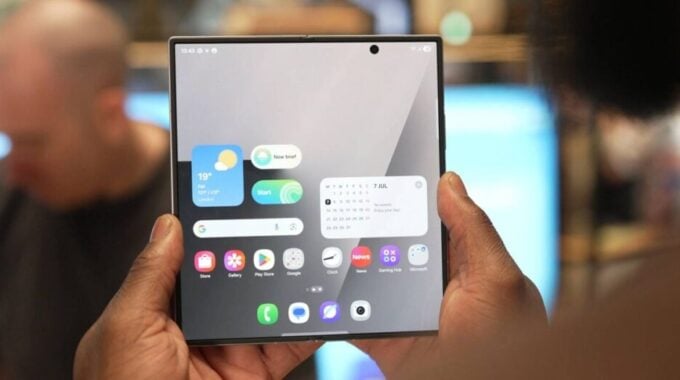
The Galaxy Z Fold Wide model is particularly interesting, as it introduces a new form factor with a more comfortable 4:3 aspect ratio when opened. Despite the larger battery, Samsung has managed to reduce the device’s weight to just 200 grams – lighter than many traditional flagship phones. This achievement required significant engineering changes to the internal hinge mechanism and materials.
For context, current foldable phones typically weigh between 250-280 grams, making them noticeably heavier than standard smartphones. This weight reduction could be crucial for mainstream adoption, as many users find current foldables too bulky for extended use.
The battery improvements are equally significant. Most current foldable phones struggle to last a full day under heavy use, partly due to the power demands of dual screens and the challenges of fitting large batteries in the folding design. The jump to 5,000mAh puts these devices on par with the largest traditional smartphones.
The charging upgrade to 45W also brings Samsung’s foldables in line with its Galaxy S series flagships. This means users can charge these large batteries much faster, addressing another common complaint about foldable phone usability.
These changes suggest Samsung is shifting from treating foldables as experimental devices to positioning them as viable replacements for traditional flagship phones. The focus on battery life, charging speed, and weight reduction addresses the most practical barriers to foldable adoption.
The timing is important as well. The foldable phone market is becoming increasingly competitive, with Chinese manufacturers like Honor and OnePlus launching devices that often outperform Samsung in key areas. These improvements could help Samsung maintain its leadership position in the foldable space.
If these leaks prove accurate, the Galaxy Z Fold8 series could mark a turning point for foldable phones, finally offering the combination of innovative design and practical daily usability that mainstream consumers demand.