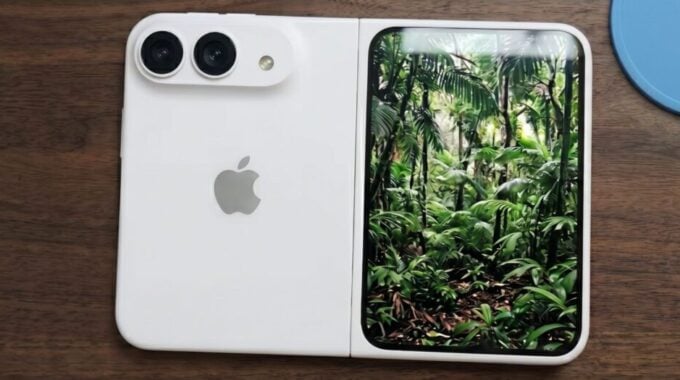
Apple’s first foldable iPhone, rumored to be called iPhone Ultra, is getting closer to reality. The iOS 27 developer beta revealed hidden code strings that directly reference the upcoming foldable device.
Software engineers digging through the beta code have uncovered several telling clues. The discovery comes at a perfect time since Apple just announced iOS 27 at WWDC 2026, giving developers their first look at what will likely power the company’s foldable ambitions.
The code discoveries paint a clear picture of how Apple plans to handle foldable functionality. Software engineer M1Astra and X user Sam Henri Gold found multiple strings specifically designed for foldable devices:
- “foldState” – determines whether the iPhone Ultra is open or closed
- “mechanicalAngleDegrees” and “angleDegrees” – track how much the hinge has opened
- “MGGetLogicalDeviceDisplayCount” – tells the software when a device has multiple screens
The hinge angle detection suggests Apple might implement something similar to Samsung’s Flex Mode. This feature splits the screen into two separate interfaces when the phone is positioned at a 90-degree angle, creating new ways to use apps and multitask.
Beyond just code strings, iOS 27 itself appears built with foldables in mind. Widgets for News and Music now support full-page formats that take up entire screens. On a foldable device, this would allow multiple widget panels to display side-by-side on the larger internal screen.
Apple also discussed “app adaptability” during their developer presentations at WWDC. This concept helps developers create software that works across different display sizes and aspect ratios. While useful for existing devices, it’s particularly important for foldables that will have completely different screen dimensions than traditional iPhones.
This matters because it signals a major shift in Apple’s iPhone strategy. The company has maintained relatively consistent screen sizes across its lineup for years. A foldable iPhone Ultra would break that pattern entirely, requiring developers to rethink how their apps work on Apple devices.
The timing also suggests Apple is getting serious about competing in the foldable market. Samsung has dominated this space for years with its Galaxy Fold and Flip series. Google recently entered with the Pixel Fold. Apple’s entry could legitimize foldables for mainstream consumers who have been waiting for the company’s take on the technology.
The evidence strongly suggests iPhone Ultra will arrive alongside iOS 27, likely in 2027. Apple typically spends years preparing software for new hardware categories, and finding this much foldable-specific code in the first developer beta indicates the project is well underway.
Expect more clues to emerge as developers continue examining iOS 27. Apple rarely leaves such obvious breadcrumbs unless the hardware is relatively close to launch. The iPhone Ultra could finally give Apple users the large-screen, portable device they’ve been requesting for years.