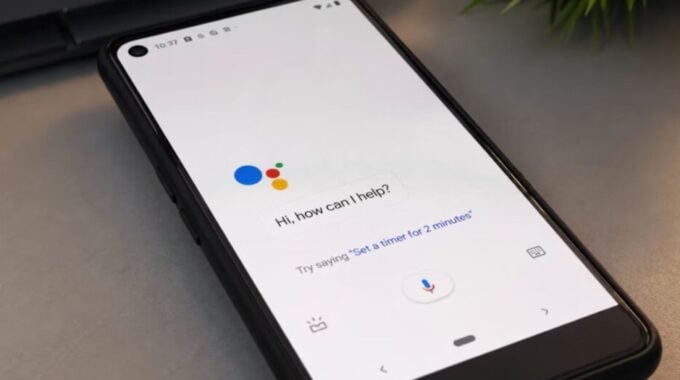
After years of hints, delays, and gradual nudges, Google has set the date. Google Assistant is officially starting its shutdown on September 4, and if your Android phone is eligible, you will not get a choice in the matter. Gemini is moving in, and the old assistant is not coming back.
Google confirmed the change via email to users, making clear that the rollout will not happen all at once. It will be phased across several weeks, so your phone might make the switch on September 4 or it might take a little longer. But once it happens, that’s it. No toggle to revert, no option to keep the old assistant running alongside Gemini. You are moving on whether you are ready or not.
When the switch hits your device, the familiar shortcuts you have used for years will now open Gemini instead. Pressing the power button, using the voice activation command, all of it goes to Gemini automatically. No manual setup required. Google is handling the migration silently in the background, which is convenient if you are on board with Gemini and slightly jarring if you are not.
The first phase covers eligible Android phones and tablets, but it also pulls in some connected accessories. Wear OS smartwatches, compatible headphones and earbuds, and vehicles running Android Auto through a paired phone are all in scope. So if your car uses Android Auto via your phone, expect that to shift to Gemini when your phone gets the update. That is a meaningful change for anyone who relies heavily on voice commands while driving.
There is one notable carve-out for drivers, though. Cars that run Google’s software natively through Google built-in are not part of this first wave. Those vehicles will keep Google Assistant for now while Google prepares a separate migration timeline. The same goes for Google TV devices, smart speakers, and smart displays. Those products stay on Google Assistant until Google announces a different plan for them. It is a bit of a patchwork situation, where the assistant experience depends entirely on which Google product you are using and when.
Not every Android user is losing Google Assistant on September 4 either. Devices that do not meet Gemini’s minimum hardware or software requirements will stay on the existing assistant for now. Regions where Gemini has not launched yet are also exempt. Google has not given a timeline for when those users will eventually be migrated, which leaves a lot of people in a holding pattern with no clear answer.
This whole shift matters because Google Assistant launched in 2016 and became the default voice layer across an enormous chunk of the Android ecosystem. Replacing it with an AI-first platform like Gemini is a major infrastructure decision, not just a feature swap. Google clearly wants Gemini to be the single intelligent layer across all its products and services, and retiring Assistant is the most direct way to push that forward.
The company had originally planned to wind down Assistant earlier, but pushed the timeline to 2026. Now the process is actually starting. For most supported Android users, September 4 is the beginning of the end for a voice assistant that has been part of daily life for nearly a decade. Gemini has big shoes to fill, and Google is betting everything on it being ready.