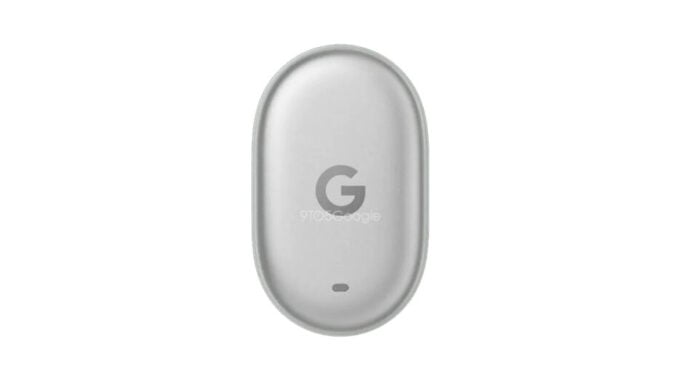
One cent. That’s the gap between the leaked European price of the Google Pixel Tag and the Apple AirTag. It sounds like a joke, but it’s actually a very deliberate move, and it tells you everything about how Google is planning to position its first official Bluetooth tracker.
According to Android Authority, a new report from Dealabs puts the Pixel Tag at €34.90 in Europe, compared to the €35 Apple AirTag. If Google keeps that same competitive approach in the US, the Pixel Tag could land at $29, right alongside Apple’s tracker. That’s a smart play. Android has a massive global user base, and a well-priced tracker that plugs into the Find My Device network could finally give Android users a first-party option worth caring about.
The launch date is also now pinned down. The Pixel Tag is expected to show up on August 12, 2026, at the Made By Google event alongside the Pixel 11 series and Pixel Watch 5. Google is clearly treating this as a full product moment, not a quiet side release. Whether it goes on sale that same day is still unclear, but the event itself is going to be a big one.
Design-wise, leaked renders point to a compact puck shape with a bottom grille housing a built-in speaker. The model number GA12506 has been identified, and at least one color option called ‘Fog Light’ is expected at launch. Not the most exciting name, but fine.
Here’s where things get interesting, and not in a great way. There’s been no mention of Ultra-Wideband support. UWB is what gives the AirTag its precision finding feature, the one that guides you directly to a lost item with an arrow on screen. Without it, the Pixel Tag is working at a disadvantage on one of the features that actually matters in a real-world ‘where did I put my keys’ situation. Google needs to answer that question before launch.
Battery and charging details are also missing. That stuff matters more than people give it credit for. AirTag uses a replaceable CR2032 battery that lasts about a year. If Google goes a different route, like USB-C charging or a shorter battery life, that’s going to shape how people feel about the product day to day.
Still, the bigger picture here is significant. Tile has been the main Android-friendly option for years, and it’s never quite scratched the itch the way AirTag did for iPhone users. Google building something native to Android, with Find My Device baked in, changes that dynamic. The network already has hundreds of millions of Android devices participating. A first-party tracker could make that network actually useful in a way that third-party options never fully achieved.
The price is right, the timing is right, and the competition is obvious. Now Google just needs the hardware to back it up.